


White Sabers


High rating from our customers. Proof of our high quality!
Discover all different saber blade categories inspired by the universe and it's power. Hover on each of the colors to feel the power.


Even though it’s the affordable version I absolutely love it. The packaging that it came in the presentation of the boxes of the packaging. The presentation of everything packed properly and the quality of the handle and blade is just amazing completely beats any other saber company I’ve bought from. I will definitely be saving some money to buy One of the replicas. Again absolutely amazing. I love it five stars on top of five stars.

This is my first purchase from Theory Sabers, I usually don't / can't afford a higher end saber, but with the May 4th sale I took a chance and purchased this saber. It is absolutely beautiful. I am still awaiting the correct blade for my saber, but the customer service that Cody has provided is top notch. I will def be buying again from this company.
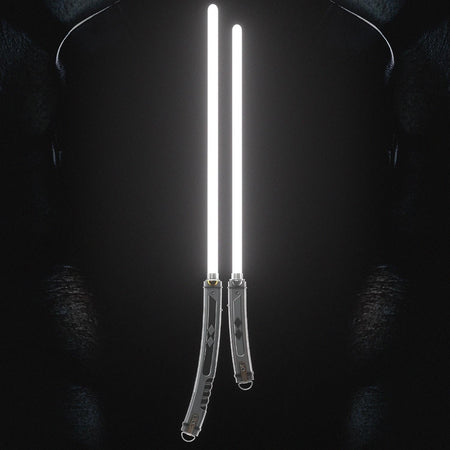
Very light and easy to use. The limited edition box is very organized and highly detailed to look at. The sound fonts are phenomenal!
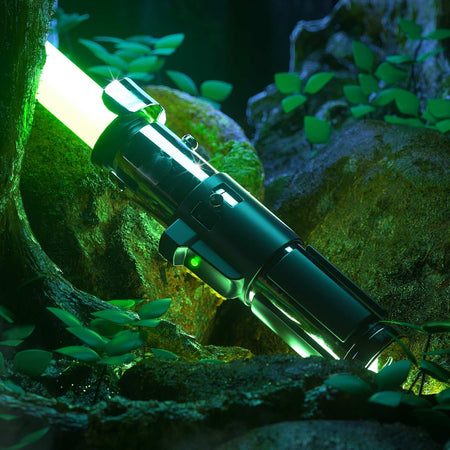
Got the proffie in this one and it sounds amazing. Great addition to my collection and this one is super unique because of the size. would highly recommend to anyone
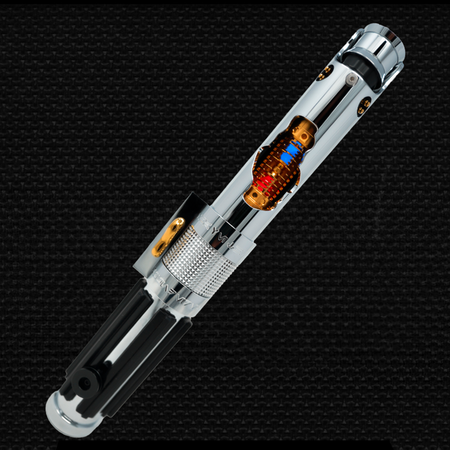
I just received mine, it literally is the most beautiful saber I have ever seen. The photos don't do It justice. Can't wait until my next saber. Thank you

I was excited to receive this one after getting my first saber(alien), and the product did not disappoint. It had a nice weight to it and felt structurally sound. The colors were bright even in the daytime. The design was awesome. Customer service was excellent, prompt, and friendly when i had questions. I thoroughly recommend this company, and I'm already saving up for my third saber. Thank you

I got the ani 3 SE during the may 4th sale and the saber is absolutely awesome. This is my first saber so I was a little skeptical at first but I can say it is well worth it. The prequel sound font is the cherry on top as well. I’ve been watching SWT since 2016 so I’m happy to support him and the channel.

Theory Sabers really went above and beyond, Customer service really shocked me with how great and helpful they were, as for the saber itself; it looks phenomenal, the smoothswing makes the experience infinitely more realistic and the extras they add in just make for an an better experience. I have ordered from a couple Saber vendors now and have definitely had the best experience from Theory Sabers. If I had one gripe it would be that the box came slightly damage but the package was shipper halfway around the wor;d (for free i might add) so the fauly have not lie with Theory Sabers. All in all 100 percent a five star experience.
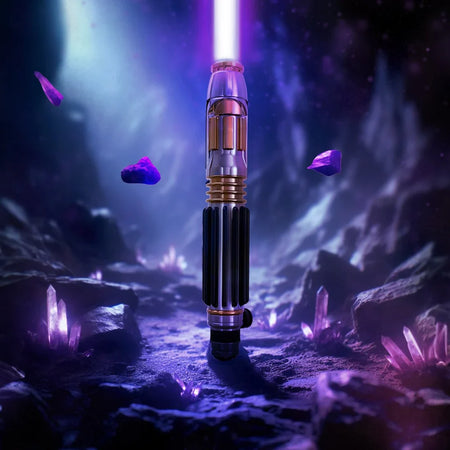
The saber was everything I was expecting it to be. Such a beautiful hilt well crafted and beautifully designed. Can't wait for my emperor II to come in.
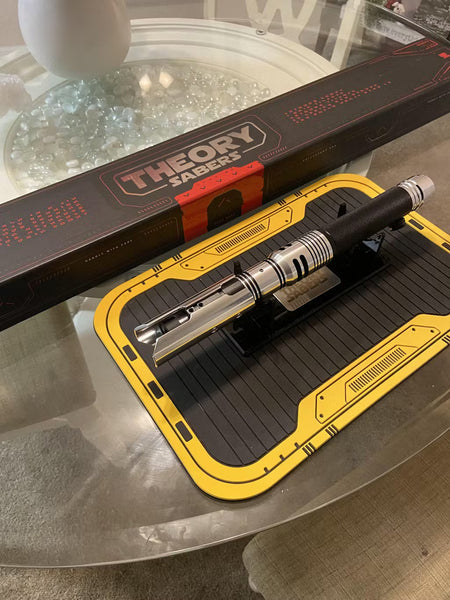
10/10 quality saber. 10/10 customer support. 10/10 satisfaction. I knew based off all the videos this was going to be an amazing product but it blew me away once I finally had it in hand. First time with a proffie and I will be purchasing this board going forward. Team over at TheorySabers are amazing! Nothing negative to say to be honest. Just absolutely happy with this. Hoping to get the actual Survivor replica saber in the near future. Side note: I did notice on the instructions manual under the CHARGING section, the sentence repeats twice. Just something I wanted to point out not sure if this was noticed but figured it is worth mentioning.

This is not a toy! This is serious business!!!!! The best I’ve ever had and I am planning to expand my collection as soon as I can !!!! Thank you 🙏

If you love the art of the lightsaber, get a Theory Saber. The quality is unmatched, from the metals used to the blade quality, this company takes care of you and does it right. Every detail is important and accurate. The pride Theory takes in this is what you pay for. sabers for fans made by fans.

A very good replica. The hilt feels very good in hand and makes the saber very wield-able. Definitively worth the price, doesn't matter which board you choose. Very cool sound fonts, music tracks and blade options. The blade is fairly easy to attach. Very good shipping and packaging, very cool collector's box. You can just feel the passion put into the products, I can't recommend this saber store enough.
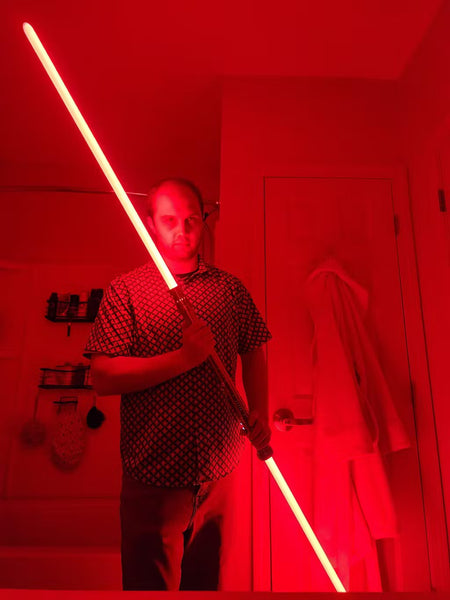
I was fortunate enough to win this saber, as I received a silver ticket during the April 2025 promotional event. Even though I offered to pay for the proffie upgrade, the crew at Theory Sabers (looking at you, Nick) gave me the upgrade FOR FREE. While that certainly biases my opinion of the sabers themselves, I would buy them for full price in a heartbeat. These are my first proffies and you can tell the sound and lighting difference between this and an SNV4 (which i would still absolutely recommend to not break the bank; my Prodigal Son is an SNV4). Even with just the 32" blades, the Shadow Hunter feels like you're welding Maul's iconic weapon. It is perfectly balanced and the utility of being able to turn it into two sabers means you're always ready to spark up a duel with friends.
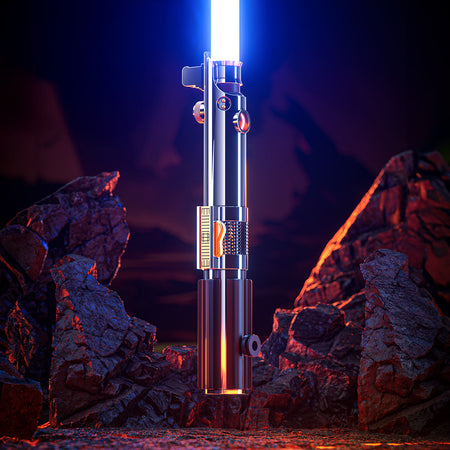
I have love everything about this saber. The more I play around with it the more I love it. I found working with and buying from Theory Sabers to be a fantastic experience. I plan on buying more sabers from Theory Sabers.
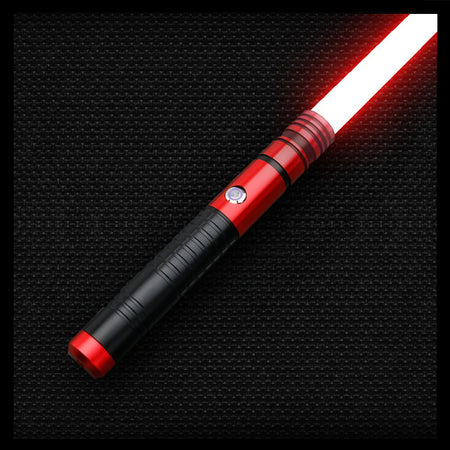
The sabers have amazing detail and are crafted wonderfully. The metal hilts give the sabers the perfect weight distribution and the blades are well crafted. The sabers have a great light level and are made with care for every small detail.

Fantastic, so many options to go through to be whatever balde you want
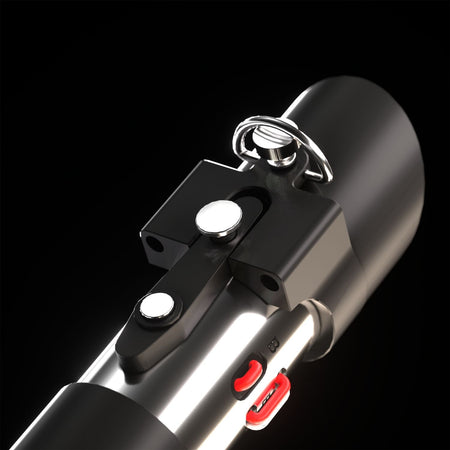
I absolutely LOVE my Vader Saber! It’s made EXTREMELY well. It’s made out of a high grade aluminum. I would ABSOLUTELY buy from them again! I got the originals sound pack and I am not lying when I say that the sounds on it sound AMAZING

Absolutely love this thing! The Craftsmanship, the balance, the weight, the sound, everything about this saber screams top notch! The saber is beautiful and I am very pleased with this purchase! Also big shout out to Cody for helping me with tracking and figuring out where my package is. He was a big help along the way and I am truly great full for his hard work!

Great Product! Great Product! Great Product! Great Product! Great Product! Great Product! Great Product! Great Product! Great Product! Great Product! Great Product! Great Product! Great Product! Great Product! Great Product! Great Product! Great Product! Great Product! Great Product! Great Product! Great Product! Great Product! Great Product! Great Product! Great Product! Great Product! Great Product! Great Product! Great Product! Great Product! Great Product! Great Product! Great Product! Great Product! Great Product! Great Product! Great Product! Great Product! Great Product! Great Product! Great Product! Great Product! Great Product! Great Product! Great Product!
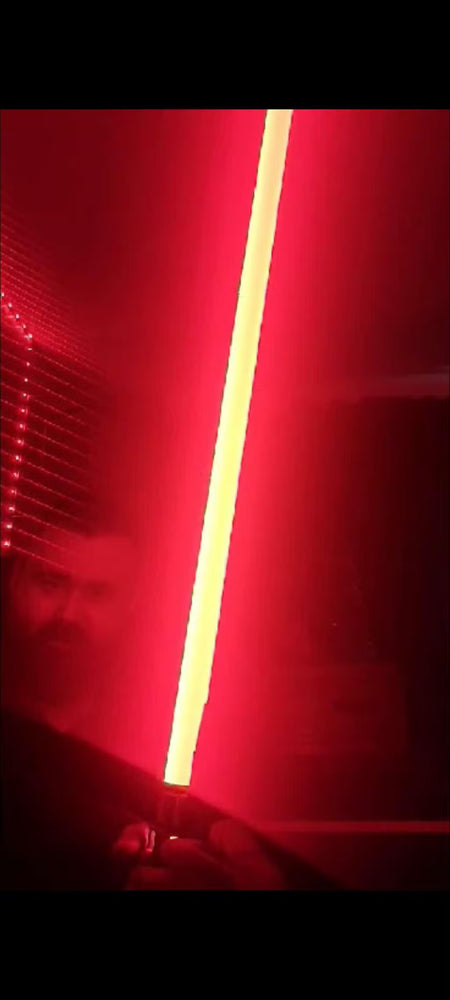
When i receive it, i knew for a fact that this was the most perfect and epic saber i had ever held. The quality is by far 100% and for the sound and light, its another 10 out of 10 ! I highly recommend buying saber here, for the simple reason that, Those are saber designed by fans, for the Fan ! Thanks a lot Theory Sabers !

Text Review Text Text Review Text Text Review Text Text Review Text Text Review Text Text Review Text Text Review Text Text Review Text Text Review Text Text Review Text
Buy White Sabers

Exceptional blade quality
Designed by fans for fans.
Free Shipping
We offer free shipping on all orders.
24/7 Support
We are always here to help.
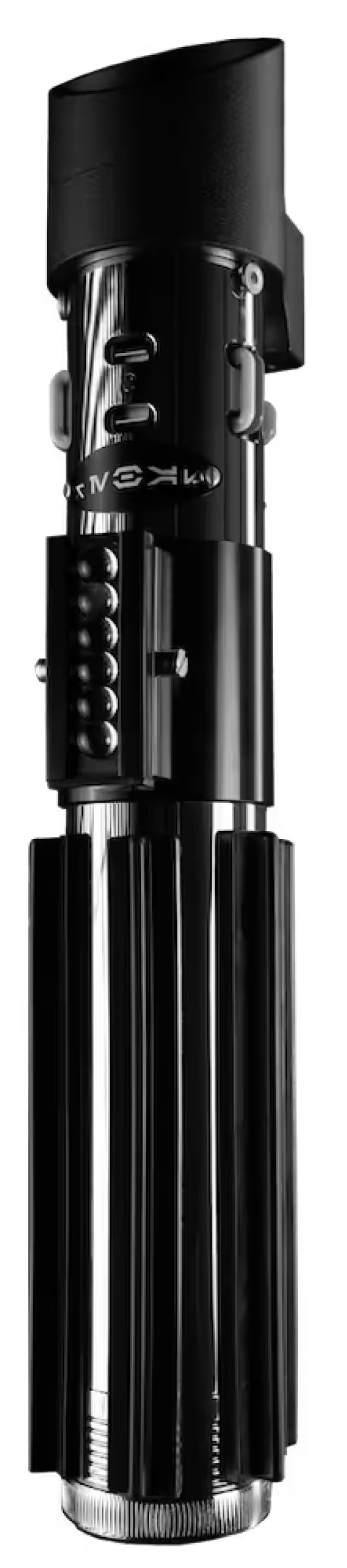
Notable Users Who Wielded White Lightsabers
Frequently Asked Questions

High-Quality Materials
Built to withstand intense duels and last for years.
Realistic Features
Light and sound effects that respond to every swing and movement in real time.
Customizable Options
Personalize your saber with various designs and blade colors.

Claim Your Saber Now!
Designed for collectors. Engineered for battle. Elevate your experience with the most advanced saber technology — crafted into every one of our sabers.